How to assess a failed weld before repairing it
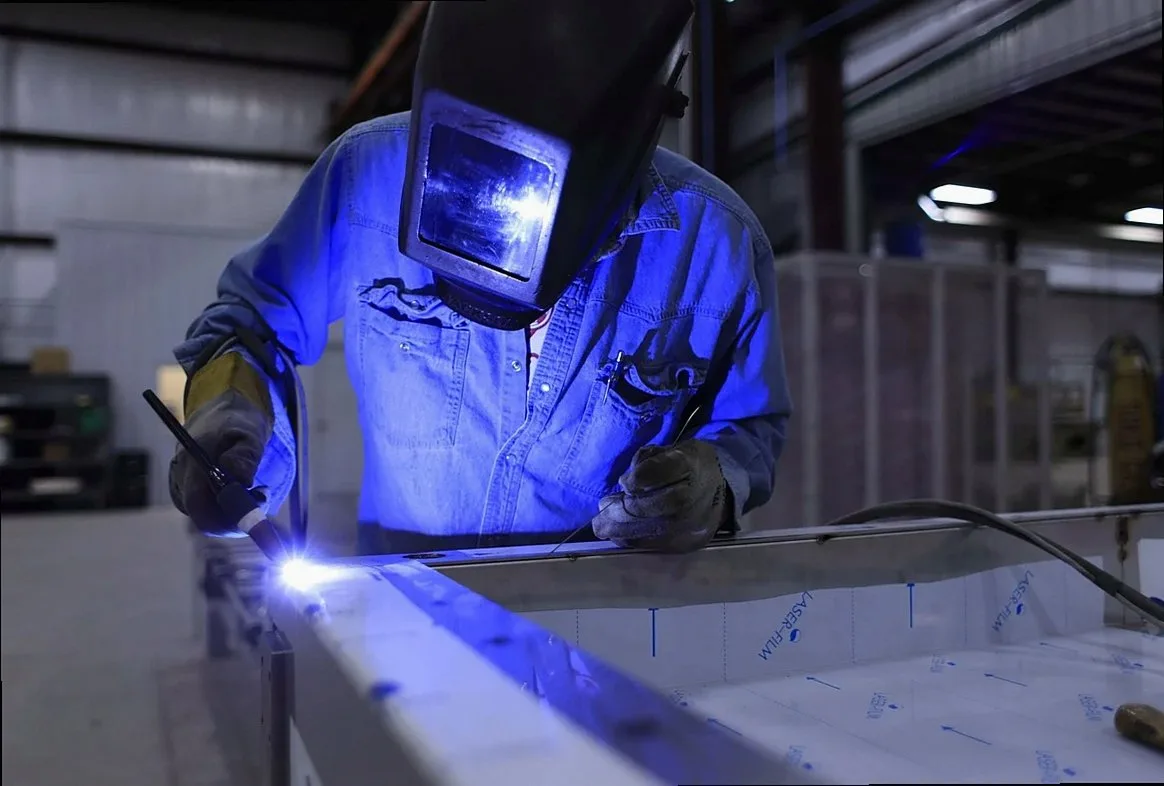
A cracked or failed weld is not just a weld problem. It is a symptom, and the repair has to address the cause, not just the visible defect. Grinding out a crack and re-welding without understanding why the crack formed is one of the most reliable ways to produce the same crack in the same location six months later.
Identifying the failure mode
Weld failures fall into a small number of categories: fatigue cracking from cyclic load, hydrogen-induced cracking in the heat-affected zone, lack of fusion at the joint face, porosity from contamination or shielding gas problems, and overload failure where the weld was simply undersized for the applied load.
Each failure mode has a characteristic appearance. Fatigue cracks typically initiate at a stress concentration. A weld toe, a sharp change in section, an undercut. And propagate in a relatively smooth, flat fracture surface. Hydrogen cracking tends to occur in the heat-affected zone of higher-carbon or alloy steels and may not appear until hours or days after welding. Identifying the mode before starting the repair determines what the repair needs to do.
Checking the parent metal
Once the defect is located, the parent metal around it needs to be assessed. Grinding back to clean metal and examining the surface for lamination, porosity, or pre-existing cracks tells you whether the base material is sound enough to weld to.
On older agricultural or plant equipment, the parent metal is sometimes a higher-carbon steel that was common in earlier manufacturing but requires preheat to weld safely today. If the material specification is unknown, a spark test or a hardness check gives a rough indication of carbon content and guides the preheat decision.
Preheat and its role in repair welding
Preheat reduces the cooling rate of the weld and the heat-affected zone, which reduces the risk of hydrogen cracking in hardenable steels. For repair work on unknown or higher-carbon material, a conservative preheat. Typically 100 to 150 degrees Celsius for medium-carbon steel. Is standard practice.
Preheat is applied with a propane torch and checked with a temperature-indicating crayon or a contact thermometer before welding begins. It is not a complicated step, but it is one that gets skipped when a repair is being done quickly, which is often when it matters most.
Documenting the repair
On structural or safety-critical repair work, the repair process should be documented: the defect found, the extent of removal, the preheat applied, the filler used, and the visual result. That record is useful if the part is inspected later, and it is useful if the same failure recurs and the repair history needs to be reviewed.
A repair that addresses only the visible crack and not the conditions that produced it is a temporary fix. The assessment stage is what separates a repair from a patch.